 EN

Appeals Guide · By Tomas Robirosa, Esq.
What happens when one side loses at trial and wants a higher court to look at the case: the six District Courts of Appeal, which one covers South Florida, the Florida Supreme Court, and the main steps of an appeal.
A trial ends with a verdict or a judgment, but that is not always the end of the case. The losing side may ask a Florida court of appeals to review what happened. This guide explains how the Florida court of appeals system is set up, which court hears appeals from Miami-Dade, Broward and Palm Beach, what an appeals court can and cannot do, and the main steps and timing of an appeal in a civil case such as a car accident, slip and fall or insurance claim. This article is general information, not legal advice.
Florida has two kinds of courts. Trial courts (the county courts and the circuit courts) are where a case starts: the parties file the lawsuit, exchange evidence, argue motions, and, if the case does not settle, hold a trial in front of a judge or jury. For how county and circuit courts split the work, see our guide to the Florida court system.
Appellate courts do something different. They do not hear witnesses, look at new evidence or pick a new jury. They review the written record of what already happened in the trial court and decide whether the trial judge made a legal error that changed the result. In Florida, the appellate courts are the six District Courts of Appeal (often called the "DCAs") and, above them, the Florida Supreme Court.
When people search for the "Florida court of appeals", they are usually looking for the District Court of Appeal that covers their county. Florida does not have one single court of appeals; it has six, each covering a group of judicial circuits.
Since January 1, 2023, Florida has had six District Courts of Appeal. The Sixth District, based in Lakeland, was created that year and took over appeals from several circuits that used to belong to the Second, Fifth and Third Districts. The districts are set by Chapter 35, Florida Statutes:
So for most South Florida cases, the Florida court of appeals that matters is either the Third District Court of Appeal (a case tried in Miami-Dade or Monroe) or the Fourth District Court of Appeal (a case tried in Broward, Palm Beach or the Treasure Coast counties). Appeals are usually decided by a panel of three judges. Occasionally the whole court sits together ("en banc") on an important issue.
Since January 1, 2021, appeals from final judgments of county courts in Florida generally go to the District Courts of Appeal, not to the circuit court, after a change to section 26.012, Florida Statutes. Circuit courts still hear some limited appeals, such as appeals from local code enforcement boards.
An appeal is not a second trial. Understanding this is the most important part of deciding whether an appeal makes sense.
The appeals court can affirm (leave the judgment in place), reverse (undo it, in whole or in part), and remand (send the case back to the trial court, for example for a new trial or a new hearing on damages).
Some orders can be reviewed before the case ends. Florida Rule of Appellate Procedure 9.130 lists the limited kinds of "non-final" orders that can be appealed right away, and some other rulings can be reviewed through a petition (for example, certiorari). Most rulings, though, wait until the final judgment.
Many people expect a case to go "all the way to the Supreme Court". In Florida civil cases, that is rare. For most decisions of a District Court of Appeal, the Florida Supreme Court has discretionary review under Article V, section 3 of the Florida Constitution: it can choose to hear a case only in certain situations, for example when the district court's decision expressly declares a statute valid or invalid, or expressly and directly conflicts with a decision of another district court or of the Supreme Court. Even then, the Court decides whether to accept the case.
One important rule: when a District Court of Appeal affirms without a written opinion (a PCA), the Florida Supreme Court generally has no jurisdiction to review it. The Court said so in Jenkins v. State (1980). For most parties, that makes the District Court of Appeal the last stop.
Some cases with a federal issue end up in federal court instead of state court from the start. Our guide on federal court vs state court in Florida explains when that happens.
Appeals come up in the kinds of cases Tomas Robirosa handles: car and truck accidents, slip and falls and other premises cases, and property insurance disputes. A few practical points:
Because the appeals court generally only looks at what was preserved in the record, the work done before and during trial (objections, motions, evidence and jury instructions) often decides what can be raised on appeal. If you were hurt in an accident or your insurance claim was denied, it helps to have a lawyer involved early. See our pages on personal injury, car accidents and denied insurance claims.
If you have questions about a Florida court of appeals case or a judgment in your injury or property damage case, you can call Tomas Robirosa for a free consultation. Se habla español.
Photo: Brandonrush, Wikimedia Commons, CC BY-SA 3.0
This article is for general information only and is not legal advice. Every situation is different, and the law can change. Do not make decisions based on this article alone. Speak with a licensed Florida attorney about your specific situation. Reading this article does not create an attorney-client relationship.
Prefer to talk to a lawyer now?
Call (305) 600-0529Se habla español · Available 24/7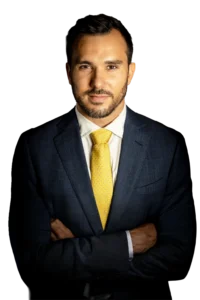
Your Attorney
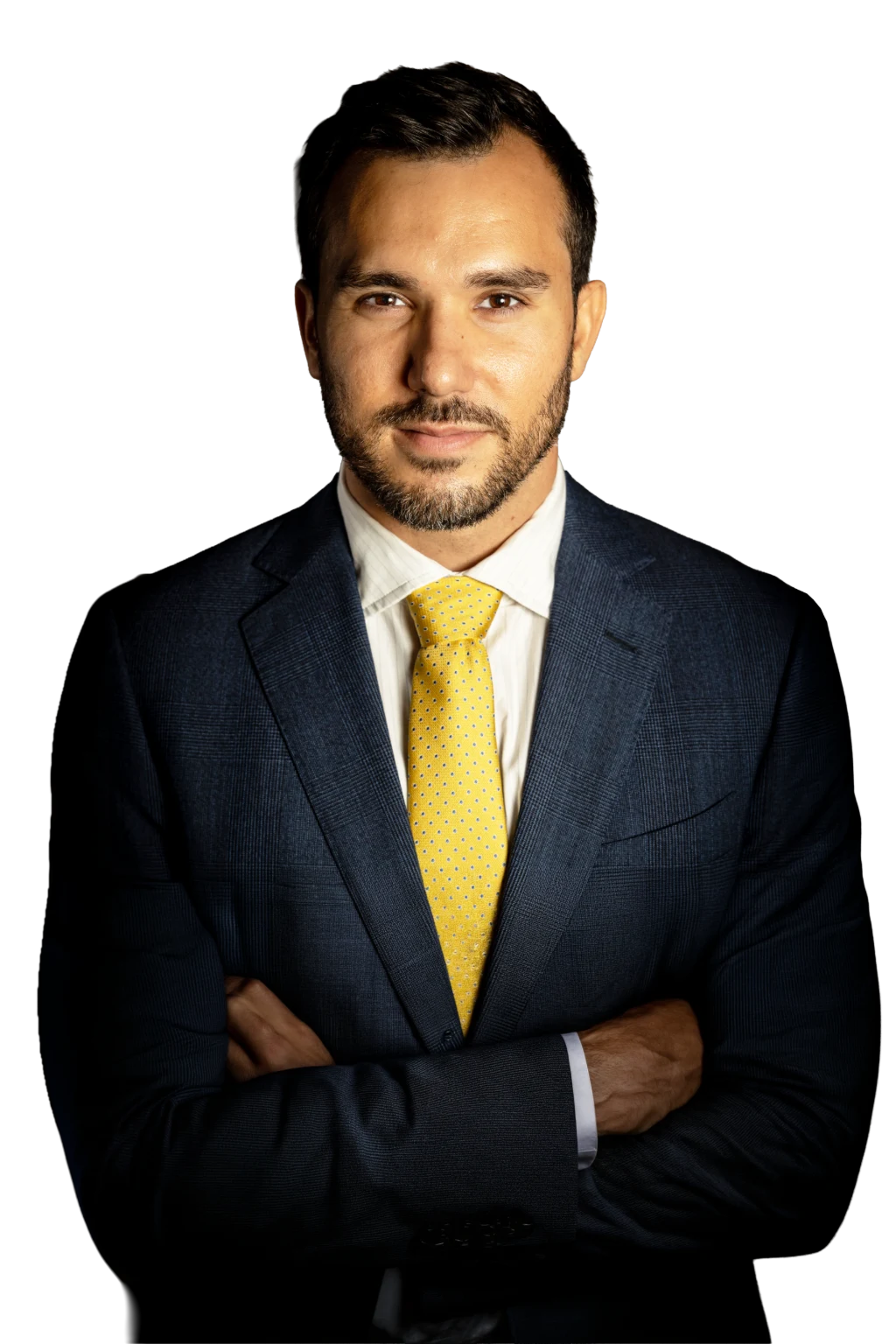
Tomas Robirosa is the founding attorney of Robirosa Accident & Injury Law. He built his practice around careful preparation and personal attention: when you hire the firm, you talk to your lawyer, in English or Spanish, and you always know where your case stands.
He graduated cum laude from Nova Southeastern University’s Shepard Broad College of Law, is a Florida Supreme Court Certified Circuit Civil Mediator, and is admitted to practice in Florida state courts and the U.S. District Court for the Southern District of Florida.
Recognition & memberships


Real reviews from real clients on Google.
EXCELLENT Based on 38 reviews
 Posted on Google

 Kk LlGreat service would recommend helped tremendouslyPosted on Google
 Johanna MartinezLA ATENCION FUE EXCELENTE Y MUY RAPIDA.Posted on Google
 Maša NestorovićI’ve had an amazing experience working with Tomas. He is super knowledgeable and very personable. He helped us tremendously, highly recommend.Posted on Google
 Kathy Maria AlvarezTomás fue un excelente profesional.Me dejó muy tranquila porque me explicó todo en español, con total claridad y transparencia. Si tuviste un accidente en Miami Beach, no dudes en llamarlo.Posted on Google
 Cristina GonzalezThe absolute best!! Responsive, honest, and easy to talk to. If you need an injury attorney in Miami Beach who also speaks Spanish, Tomas is the one to call. Highly recommend having him handle your case.Posted on Google
 Mario EspinosaAs a physical therapist, I’ve had the opportunity to work with Robirosa Accident & Injury Law while treating patients recovering from injuries. Their team has always been professional, responsive, and genuinely focused on making sure their clients receive the care they need. From a healthcare provider’s perspective, communication and coordination can make a huge difference in these cases, and their team does a great job staying involved without interfering with the clinical process. It’s clear they care about their clients as people, not just as cases. I would highly recommend Robirosa Accident & Injury Law to anyone looking for an injury attorney who is professional, accessible, and committed to helping their clients through the recovery process.Posted on Google
 Derek NierTomas is an industry professional. He handles his cases with extreme care and provides excellent customer service alongside excellent communication. I would recommend him to anyone looking for a competent attorney in the Miami Beach area.Posted on Google
 Rosalia Rodriguez AquinoEs muy buen Abogado, confiable, transparente y muy humanitario. Estás siempre pendiente a todos y muy comunicativo. Me siento muy satisfactoria de su buen trabajo. Ojalá hayan muchos abogados como él. Que Dios lo bendiga Gracias, porque ganamos el casoPosted on Google
 Andrea Silva🌟🌟🌟🌟🌟 Wow- excelente experiencia con Tomás. Lo recomiendo al 100%. Cuando ningún otro abogado me apoyaba y sentía que el caso estaba perdido, me conectaron con él y ¡ganamos! El proceso fue claro, fluido y efectivo. Es muy profesional, sabe exactamente lo que hace y realmente le importa ayudar a sus clientes. Estoy muy agradecida por su apoyo y sin duda lo recomendaré a cualquier persona que necesite un abogado.Posted on Google
 Karim BadawyThomas is a true professional! He is knowledgeable and will provide everything he knows for you! Highly recommend!
Tell us what happened. We’ll explain your options in English or Spanish, with no obligation.