Free Consultation — Talk to a Florida Lawyer TodayNo fee unless we recoverHablamos españolAvailable 24/7
5.0Google Reviews
CALL 24/7(305) 600-0529WhatsApp UsText us now, tap to chat
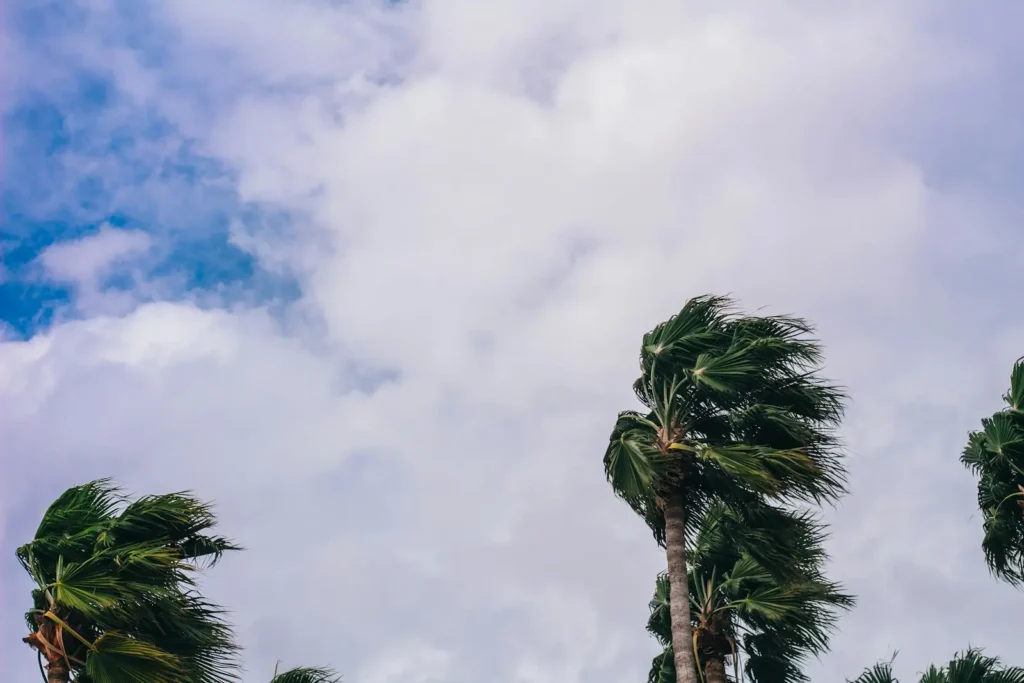
Palm trees bending in strong storm winds

Miami-Dade · Broward · Palm Beach

Hurricane, Storm & Wind Damage Lawyer in Miami

Insurance Company Delaying, Underpaying, or Denying Your Hurricane or Storm Damage Claim?

  • Free consultation
  • No attorney’s fee unless we recover
  • Hablamos español
  • Available 24/7
Photo: Sean Foster / Unsplash
  • Free ConsultationNo cost, no obligation
  • No Fee Unless We RecoverContingency fee cases
  • Bilingual AttorneyEnglish & Spanish
  • Available 24/7Fast communication

After a hurricane or tropical storm, South Florida homeowners and condo owners count on their insurance to help them rebuild. Too often, the claim is delayed, lowballed or denied. Hurricane damage lawyer Tomas Robirosa helps policyholders in Miami and across Florida, with a focus on Miami-Dade, Broward and Palm Beach counties, review the policy, document the damage and challenge unfair decisions. Se habla español.

What to Do After Hurricane or Storm Damage

  1. Stay safe first. Avoid downed power lines, standing water, and unstable structures.
  2. Document everything. Take date-stamped photos and video of the roof, windows, walls, ceilings, floors, and personal property before cleanup, and again as damage develops.
  3. Prevent further damage. Make reasonable temporary repairs, such as tarping a roof or boarding windows, and keep all receipts. Most policies require you to protect the property from further loss.
  4. Report the claim promptly. Write down your claim number and the name of every adjuster you speak with.
  5. Get a certified copy of your policy, including the declarations page and all endorsements.
  6. Keep a claim diary of calls, emails, inspections, and letters.
  7. Do not sign a release or accept a final payment until you understand what you are giving up.

Florida's deadlines for property insurance claims

Florida has changed its property insurance laws several times since 2022. Under current law:

  • A new or reopened claim generally must be reported within one year after the date of loss, and a supplemental claim within 18 months. Every case is different, so speak with an attorney to confirm the deadline that applies to you.
  • The insurer generally must acknowledge your claim within 7 days, begin its investigation, physically inspect the property within 30 days of receiving proof of loss, and pay or deny the claim within 60 days after receiving notice of the claim, subject to limited exceptions.
  • Before filing a lawsuit against a property insurer, the policyholder must generally give written notice of intent to sue at least 10 business days in advance.

Missing a deadline can seriously damage a claim, so it is important to act quickly. Every case is different, so speak with an attorney to confirm the deadline that applies to you.

Why Hurricane Claims Get Underpaid or Denied

Insurers commonly point to policy language to reduce or deny storm claims. Common reasons include:

  • Wind vs. flood disputesHomeowners policies usually exclude flood, so insurers may attribute damage to flooding rather than wind.
  • "Wear and tear" or pre-existing damagearguments, especially for older roofs.
  • Late noticeof the claim.
  • Low estimatesthat leave out code upgrades, matching, or hidden water damage.
  • Hurricane deductiblesthat are often a percentage of the dwelling coverage and can be significant.

How we help with hurricane and windstorm claims

We review your policy and the insurer's estimate, identify what was left out, gather supporting documentation, and communicate with the insurance company on your behalf. When appropriate, we pursue appraisal (if your policy provides for it), the required pre-suit notice, and litigation.

Condo owners and associations

In Florida condominiums, the association generally insures the building structure, while unit owners typically insure interior items such as floor, wall, and ceiling coverings, fixtures, appliances, and cabinets. Storm claims in condos often involve both policies. See our page on condominium disputes.

Citizens policyholders

Florida law is phasing in a requirement that Citizens Property Insurance homeowners policies with wind coverage also carry flood insurance, with the requirement expanding to all such policies starting January 1, 2027.

Wind Damage and Windstorm Claims

You do not need a named hurricane to have a wind damage claim. Tropical storms, severe thunderstorms, and sudden windstorms can tear off shingles and tiles, lift roof decking, break windows and doors, knock down trees, and let rain into your home. If your insurance company delayed, underpaid, or denied a claim for wind or storm damage to your roof or home, we can help.

Common wind and roof claim disputes

  • The insurer says roof damage is age, wear and tear, or poor maintenance instead of wind.
  • The adjuster approves a small patch when the roof needs a proper repair or replacement.
  • Interior water damage is denied as a long-term leak instead of storm-created openings.
  • The wrong deductible is applied, such as a hurricane deductible for a non-hurricane storm.
  • The estimate leaves out interior repairs, mold remediation, or code-required work.

Protect your wind damage claim

  • Take photos and video of the roof, windows, fallen trees, and interior damage as soon as it is safe.
  • Keep damaged materials, such as shingles or tiles, when you can.
  • Make reasonable temporary repairs, such as tarping, to prevent further damage, and keep the receipts.
  • Get a written report from a licensed roofer or contractor.
  • Report the claim promptly and keep copies of everything you send and receive.

Related: water damage claims, denied insurance claims, property damage. Request a free claim review.

Florida Law at a Glance
  • Report the claim promptly: under current Florida law, a new or reopened property insurance claim generally must be reported within one year after the date of loss, and a supplemental claim within 18 months. Every case is different, so speak with an attorney to confirm the deadline that applies to you.
  • Insurer deadlines: Florida law generally requires the insurer to pay or deny the claim within 60 days after receiving notice, unless factors beyond its control prevent it.

Hurricane damage in Florida rarely stops at the roof. Wind, wind-driven rain and storm surges can each be treated differently under your insurance coverage, and the insurance adjuster may attribute part of the loss to flood or wear and tear, which many policies exclude. Before you file a claim, or if the insurer starts to delay or deny your hurricane damage claim, legal representation can help you document all the types of damages to your home and keep the claims process moving. Florida hurricane damage attorney Tomas Robirosa reviews your policy, responds to the insurer and, when it is warranted, discusses filing a lawsuit against the insurer, including whether the facts support a bad faith claim. Every case is different, so speak with an attorney about the options that apply to you.

How We Handle Property Damage Claims

  • Step 1Free claim reviewWe review your policy, your claim, and every letter from the insurance company, in English or Spanish.
  • Step 2Documenting the damageWe gather photos, repair estimates, and independent inspections to show the full cost of the loss.
  • Step 3Challenging the decisionWe respond to delays, underpayments, and denials, and send any pre-suit notice Florida law requires.
  • Step 4Lawsuit if neededIf the insurer or association will not treat you fairly, we are prepared to take the case to court.

When the Clock Starts on a Florida Hurricane Claim

Florida's claim deadlines run from the "date of loss," and section 627.70132 of the Florida Statutes says what that date is for storms. For a hurricane, the date of loss is the date the hurricane made landfall. For a tornado, windstorm, severe rain or other weather event, it is the date the event is verified by the National Oceanic and Atmospheric Administration (NOAA). That means the clock can start on the day of the storm, even if you only found the water stain on your ceiling weeks later.

The statute also separates three kinds of claims:

  • New claim Your first notice to the insurer about the hurricane damage. It generally must be given within 1 year after the date of loss.
  • Reopened claim A claim that was closed and is reopened because you are asking for more money for loss you already reported. It generally has the same 1-year limit.
  • Supplemental claim A claim for additional loss from the same storm that the insurer already adjusted, or for extra costs during repairs under an open claim. It generally must be given within 18 months after the date of loss.

These limits are paused for a named insured who is a servicemember deployed to a combat zone or combat support posting that materially affects the ability to file. The statute does not change the separate deadlines for filing a lawsuit. Write down the storm's name and landfall date and keep it with your claim file.

Time limits

A new or reopened hurricane claim generally must be reported within 1 year after landfall, and a supplemental claim within 18 months. Every case is different, so speak with an attorney to confirm the deadline that applies to you.

Hurricane Damage in Condos: Special Assessment Claims

When a hurricane damages a condominium building, the association's master policy is usually the first place to look for the building itself. But the association's deductible can be large, and when the master policy doesn't cover everything, the board may vote to charge unit owners a special assessment. Some unit owner policies include loss assessment coverage, under section 627.714 of the Florida Statutes, that may help pay a share of an assessment that results from a covered loss.

Florida has a specific notice rule for these claims. Under section 627.70132, notice of a loss assessment claim generally must be given by the later of 1 year after the date of loss or 90 days after the association or its board votes to levy the assessment, and in any case no later than 3 years after the date of loss. Because a board may not vote on an assessment until months after the storm, owners often miss this window without knowing it.

If you own a condo unit in Miami-Dade, Broward or Palm Beach and your association has announced a hurricane assessment, gather the board minutes or notice of the vote, the assessment letter, your unit owner policy with its declarations page, and any letters from the association about its master policy claim. Then report the loss assessment claim to your own insurer in writing. Read more on our condominium disputes page.

Time limits

A loss assessment claim generally must be reported by the later of 1 year after the date of loss or 90 days after the board's vote, and no later than 3 years after the date of loss. Every case is different, so speak with an attorney to confirm the deadline that applies to you.

In Miami Beach? See our Miami Beach hurricane and storm damage lawyer page.

Frequently Asked Questions

How long do I have to report hurricane damage to my insurance company in Florida?
Under current Florida law, a new or reopened property insurance claim generally must be reported within one year after the date of loss, and a supplemental claim within 18 months. Every case is different, so speak with an attorney to confirm the deadline that applies to you. Report damage as soon as possible.
How long does my insurer have to pay or deny my hurricane claim?
Florida law generally requires the insurer to acknowledge the claim within 7 days and to pay or deny it within 60 days after receiving notice of the claim, subject to certain exceptions. Every case is different, so speak with an attorney to confirm how this applies to you.
What if my insurance company underpaid my hurricane claim?
You may be able to challenge the estimate with documentation and your own estimates, request reinspection or appraisal if your policy allows it, and, if necessary, pursue legal action after giving the required pre-suit notice.
Does homeowners insurance cover flood damage from a hurricane?
Standard homeowners policies usually exclude flood. Flood damage is generally covered only by a separate flood policy, while wind damage is typically handled under the homeowners or windstorm policy.
When does the deadline start for a hurricane claim in Florida?
For a hurricane, the date of loss is generally the date the hurricane made landfall. A new or reopened claim generally must be reported within 1 year after that date, and a supplemental claim within 18 months. Every case is different, so speak with an attorney to confirm the deadline that applies to you.
My condo association charged a special assessment after the hurricane. Can my insurance help?
Possibly. Some unit owner policies include loss assessment coverage for assessments that result from a covered loss. Notice generally must be given by the later of 1 year after the date of loss or 90 days after the board votes to levy the assessment, and no later than 3 years after the date of loss. Every case is different, so speak with an attorney to confirm the deadline that applies to you.
Can I still file a claim if I found more hurricane damage later?
Often, yes. If the insurer already adjusted your claim and you find additional damage from the same hurricane, you may be able to file a supplemental claim, which generally must be reported within 18 months after the date of loss. Every case is different, so speak with an attorney to confirm the deadline that applies to you.

Free Consultation!

Prefer to talk to a lawyer now?

Call (305) 600-0529Se habla español · Available 24/7


Tomas Robirosa
Tomas Robirosa, Esq.Founding Attorney
Florida Supreme Court Certified Circuit Civil Mediator
Tomas Robirosa, Miami personal injury lawyer

Your Attorney

Work Directly With Attorney Tomas Robirosa

Tomas Robirosa is the founding attorney of Robirosa Accident & Injury Law. He built his practice around careful preparation and personal attention: when you hire the firm, you talk to your lawyer, in English or Spanish, and you always know where your case stands.

He graduated cum laude from Nova Southeastern University’s Shepard Broad College of Law, is a Florida Supreme Court Certified Circuit Civil Mediator, and is admitted to practice in Florida state courts and the U.S. District Court for the Southern District of Florida.

  • Licensed in Florida
  • Bilingual: English & Spanish
  • Certified Circuit Civil Mediator
  • U.S. District Court, S.D. Florida
  • Free consultations
  • Contingency fee: no fee unless we recover

Recognition & memberships

Elite Lawyer Personal Injury 2026 badgeLawyers of Distinction 2026 badgeAIOTL 40 Under 40 2026 badgeFlorida Justice Association badgeThe Florida Bar Trial Lawyers Section logoAvvo Clients' Choice Award 2026 badge, Tomas RobirosaAvvo client reviews badge, Tomas Robirosa

What Our Clients Say

Real reviews from real clients on Google.

Posted on Google Google
Kk Ll profile picture
Kk Ll
Google star 1Google star 2Google star 3Google star 4Google star 5Trustindex verifies that the original source of the review is Google.
Great service would recommend helped tremendously
Posted on Google Google
Johanna Martinez profile picture
Johanna Martinez
Google star 1Google star 2Google star 3Google star 4Google star 5Trustindex verifies that the original source of the review is Google.
LA ATENCION FUE EXCELENTE Y MUY RAPIDA.
Posted on Google Google
Maša Nestorović profile picture
Maša Nestorović
Google star 1Google star 2Google star 3Google star 4Google star 5Trustindex verifies that the original source of the review is Google.
I’ve had an amazing experience working with Tomas. He is super knowledgeable and very personable. He helped us tremendously, highly recommend.
Posted on Google Google
Kathy Maria Alvarez profile picture
Kathy Maria Alvarez
Google star 1Google star 2Google star 3Google star 4Google star 5Trustindex verifies that the original source of the review is Google.
Tomás fue un excelente profesional.Me dejó muy tranquila porque me explicó todo en español, con total claridad y transparencia. Si tuviste un accidente en Miami Beach, no dudes en llamarlo.
Posted on Google Google
Cristina Gonzalez profile picture
Cristina Gonzalez
Google star 1Google star 2Google star 3Google star 4Google star 5Trustindex verifies that the original source of the review is Google.
The absolute best!! Responsive, honest, and easy to talk to. If you need an injury attorney in Miami Beach who also speaks Spanish, Tomas is the one to call. Highly recommend having him handle your case.
Posted on Google Google
Mario Espinosa profile picture
Mario Espinosa
Google star 1Google star 2Google star 3Google star 4Google star 5Trustindex verifies that the original source of the review is Google.
As a physical therapist, I’ve had the opportunity to work with Robirosa Accident & Injury Law while treating patients recovering from injuries. Their team has always been professional, responsive, and genuinely focused on making sure their clients receive the care they need. From a healthcare provider’s perspective, communication and coordination can make a huge difference in these cases, and their team does a great job staying involved without interfering with the clinical process. It’s clear they care about their clients as people, not just as cases. I would highly recommend Robirosa Accident & Injury Law to anyone looking for an injury attorney who is professional, accessible, and committed to helping their clients through the recovery process.
Posted on Google Google
Derek Nier profile picture
Derek Nier
Google star 1Google star 2Google star 3Google star 4Google star 5Trustindex verifies that the original source of the review is Google.
Tomas is an industry professional. He handles his cases with extreme care and provides excellent customer service alongside excellent communication. I would recommend him to anyone looking for a competent attorney in the Miami Beach area.
Posted on Google Google
Rosalia Rodriguez Aquino profile picture
Rosalia Rodriguez Aquino
Google star 1Google star 2Google star 3Google star 4Google star 5Trustindex verifies that the original source of the review is Google.
Es muy buen Abogado, confiable, transparente y muy humanitario. Estás siempre pendiente a todos y muy comunicativo. Me siento muy satisfactoria de su buen trabajo. Ojalá hayan muchos abogados como él. Que Dios lo bendiga Gracias, porque ganamos el caso
Posted on Google Google
Andrea Silva profile picture
Andrea Silva
Google star 1Google star 2Google star 3Google star 4Google star 5Trustindex verifies that the original source of the review is Google.
🌟🌟🌟🌟🌟 Wow- excelente experiencia con Tomás. Lo recomiendo al 100%. Cuando ningún otro abogado me apoyaba y sentía que el caso estaba perdido, me conectaron con él y ¡ganamos! El proceso fue claro, fluido y efectivo. Es muy profesional, sabe exactamente lo que hace y realmente le importa ayudar a sus clientes. Estoy muy agradecida por su apoyo y sin duda lo recomendaré a cualquier persona que necesite un abogado.
Posted on Google Google
Karim Badawy profile picture
Karim Badawy
Google star 1Google star 2Google star 3Google star 4Google star 5Trustindex verifies that the original source of the review is Google.
Thomas is a true professional! He is knowledgeable and will provide everything he knows for you! Highly recommend!