Free Consultation — Talk to a Florida Lawyer TodayNo fee unless we recoverHablamos españolAvailable 24/7
5.0Google Reviews
CALL 24/7(305) 600-0529WhatsApp UsText us now, tap to chat
Bench trial vs jury trial in Florida: historic Miami courtroom with the judge's bench and jury seating

Trials Guide · By Tomas Robirosa, Esq.

Bench Trial vs Jury Trial in Florida: Who Decides Your Case?

In a Florida civil case, either six people from the community or a single judge decide what happened. Here is how each kind of trial works, how a jury is requested or waived, and what it can mean for an injury or insurance case.

  • Free consultation
  • No attorney’s fee unless we recover
  • Hablamos español
  • Available 24/7
  • Free ConsultationNo cost, no obligation
  • No Fee Unless We RecoverContingency fee cases
  • Bilingual AttorneyEnglish & Spanish
  • Available 24/7Fast communication

Bench trial vs jury trial is one of the first questions people ask when an injury or insurance case heads toward court: will a judge decide, or a jury? In Florida civil cases, the answer depends on the type of claim and on what the parties request. This guide explains the difference in plain language, the Florida rules behind it, and what clients and lawyers think about before trial. This article is general information, not legal advice.

Bench Trial vs Jury Trial: The Basic Difference

In a jury trial, a group of citizens (the jury) decides the facts: what happened, who was at fault and how much money, if any, the injured person should receive. The judge still runs the courtroom, rules on objections and evidence, and tells the jury what the law is through jury instructions.

In a bench trial (also called a non-jury trial), there is no jury. The judge decides both the facts and the law. The name comes from the judge's "bench," the raised desk at the front of the courtroom.

  • Who decides the factsJury trial: the jurors. Bench trial: the judge.
  • Who decides the lawIn both: the judge.
  • Rules of evidenceThe same Florida rules of evidence apply in both kinds of trial.
  • Burden of proofIn most civil cases the person bringing the claim must prove it by the greater weight of the evidence, whether a judge or a jury decides.
  • Where it happensFlorida civil trials take place in county court or circuit court, depending on the type and size of the case. See our guide to the Florida court system.

So in the bench trial vs jury trial question, the real difference is who weighs the evidence and decides the outcome, not which law applies.

Your Right to a Jury Trial in Florida

The Florida Constitution protects the right to trial by jury (Article I, section 22), and the Florida Rules of Civil Procedure state that this right is preserved to the parties "inviolate" (Rule 1.430). In practice, that means most claims for money damages, such as a car accident, slip and fall or other negligence claim, can be tried to a jury if a party properly asks for one.

Not every case or issue has a jury, though:

  • Equitable claims (for example, a request for an injunction ordering someone to do or stop doing something) are traditionally decided by a judge.
  • Family law cases, such as a divorce, are decided by a judge.
  • Declaratory judgment actions (asking a court to declare the parties' rights, for example under an insurance policy) can have factual issues sent to a jury under section 86.071, Florida Statutes, depending on the case.
  • Legal questions, such as what a contract or statute means, are for the judge even in a jury trial.

Whether a particular claim carries a jury right can be a technical question. A Florida attorney can review it early, because the request has to be made the right way and on time.

How a Jury Trial Is Requested (and How the Right Is Waived)

In Florida civil cases, a jury is not automatic. A party has to demand one in writing under Rule 1.430 of the Florida Rules of Civil Procedure. Lawyers often include the demand in the complaint or the answer.

Under Rule 1.430(b), the demand is generally due no later than 10 days after service of the last pleading directed to the issue to be tried. Every case is different, so speak with an attorney to confirm the deadline that applies to you.

Three more points from the rule matter in real cases:

  • Not asking can waive the juryUnder Rule 1.430(e), a party who does not file a proper demand waives trial by jury, and a jury trial then generally needs the consent of the parties, although the court has some ability to order one.
  • A demand cannot simply be withdrawnOnce one side demands a jury, it may not be withdrawn without the consent of the parties. So if either side demands a jury, a bench trial usually happens only if both sides agree to give up the jury.
  • Contract clausesSome contracts, such as many commercial leases and loan documents, contain a clause waiving a jury trial. Whether such a clause applies to a particular claim is a legal question for your attorney.
Why the choice is made early

The bench trial vs jury trial decision is usually made near the start of a lawsuit, long before trial, when the pleadings are filed. That is one reason to talk with a lawyer before the case is filed or answered.

What a Florida Civil Jury Trial Looks Like, Step by Step

  1. The jury pool is summoned. Florida clerks build juror lists mainly from the state's driver license and ID card records (section 40.011, Florida Statutes). To serve, a person must be at least 18, a U.S. citizen, a legal resident of Florida and of the county, and hold a Florida driver license or ID card or sign the affidavit the statute describes (section 40.01).
  2. Jury selection (voir dire). The lawyers have the right to question potential jurors (Rule 1.431(b)). Jurors who cannot be fair can be removed "for cause," and each party also has 3 peremptory challenges to excuse jurors without giving a reason (Rule 1.431(d)).
  3. The jury is sworn. In Florida state court, six jurors are enough for a civil case (section 69.071, Florida Statutes). The judge may also seat alternate jurors in case someone cannot finish.
  4. Opening statements. Each side previews what it expects the evidence to show.
  5. Evidence. Witnesses testify and documents, photos, medical records and expert opinions are presented. The judge rules on objections.
  6. Closing arguments and jury instructions. The judge reads instructions on the law, based on the Florida Standard Jury Instructions approved by the Florida Supreme Court. Florida's standard instructions also address jurors taking notes and asking questions.
  7. Deliberation and verdict. The jurors meet privately and answer the questions on the verdict form, such as who was negligent, each party's share of fault and the amount of damages.

A Florida bench trial follows the same order except for jury selection, jury instructions and deliberation: the judge hears the evidence and arguments and then rules.

Bench Trial: How It Works and When It Happens

In a bench trial, the judge is the only decision-maker. The judge listens to the witnesses, decides whom to believe, applies the law and enters a judgment. Because there is no jury selection, no jury instructions and no deliberation, a bench trial can be shorter, although scheduling and length vary a great deal from court to court.

Bench trials are common when:

  • the claims are equitable or otherwise have no jury right;
  • no party demanded a jury, or a valid jury waiver applies;
  • both sides agree that a judge should decide, for example because the dispute turns mostly on documents or legal questions.

A judge's decision after a bench trial and a jury's verdict can both be reviewed on appeal. To learn how that works, see Florida Court of Appeals: How an Appeal Works After a Trial.

Jury or Judge? What Clients and Lawyers Weigh

There is no rule that one kind of trial is better. Every case is different, and the choice is made with your lawyer based on the facts. Common considerations include:

  • The kind of decision neededQuestions like pain, suffering and how an injury changed someone's life are decided by people from the community in a jury trial. Highly technical or document-heavy disputes are sometimes better suited to a judge.
  • Fault and comparative negligenceUnder Florida's modified comparative negligence law (section 768.81, Florida Statutes), the jury or judge assigns a share of fault to each party. In most negligence cases, a person found more than 50% at fault for their own harm cannot recover damages.
  • Time and costJury trials involve jury selection, instructions and deliberation. A bench trial may take less courtroom time, but every court's calendar is different.
  • PredictabilitySome parties prefer one experienced decision-maker; others prefer a group of citizens. Lawyers look at the facts, the witnesses and the issues before recommending either path.
  • SettlementMany civil cases settle before trial, often at mediation. The possibility of a jury trial is one of the factors both sides weigh when they discuss settlement.

Jury Trials in Car Accident, Injury and Insurance Cases

In personal injury cases, such as car accidents, truck and motorcycle crashes, and slip and fall or other premises liability claims, the injured person is usually seeking money damages, which is the classic jury claim. The same is generally true of a homeowner suing an insurance company over a denied or underpaid property claim.

Some injury cases are filed in, or moved to, federal court. Federal civil juries follow different rules (Federal Rule of Civil Procedure 48 allows 6 to 12 jurors). See Federal Court vs State Court in Florida for when that happens.

After a verdict or judgment, there are short deadlines for post-trial motions and appeals. For example, a motion for new trial is generally due 15 days after the verdict in a jury case, and a notice of appeal is generally due 30 days after the final judgment is rendered. Every case is different, so speak with an attorney to confirm the deadline that applies to you.

Most cases do not end in a trial

Even so, how a case would be tried shapes how it is prepared from day one: what evidence to gather, which witnesses matter and how damages are documented. If you were hurt in Florida or your insurance claim was denied, attorney Tomas Robirosa offers a free consultation, in English or Spanish, and there is no fee unless we recover.

Frequently Asked Questions

What is the difference between a bench trial and a jury trial?
In a jury trial, jurors decide the facts, such as who was at fault and the amount of damages, while the judge decides questions of law. In a bench trial, the judge decides both the facts and the law. The same rules of evidence apply in both.
How many jurors are on a civil jury in Florida?
In Florida state court, a jury of six qualified jurors is sufficient in civil cases (section 69.071, Florida Statutes), and the judge may seat alternates. Federal civil juries in Florida can have 6 to 12 jurors under Federal Rule of Civil Procedure 48.
Do I have a right to a jury trial in a Florida civil case?
The Florida Constitution protects the right to trial by jury, and most claims for money damages, such as car accident and negligence claims, can be tried to a jury. Some matters, such as equitable claims and family law cases, are decided by a judge. A party must also properly demand a jury.
How do I request a jury trial in Florida?
A party files a written jury demand under Rule 1.430 of the Florida Rules of Civil Procedure, often in the complaint or answer. The demand is generally due no later than 10 days after service of the last pleading directed to the issue. Every case is different, so speak with an attorney to confirm the deadline that applies to you.
What happens if nobody asks for a jury?
Under Rule 1.430, a party who does not file a proper jury demand waives trial by jury, and the case is generally tried by the judge. After a waiver, a jury trial generally requires the consent of the parties, although the court has some ability to order one.
Can a jury demand be withdrawn so a judge decides instead?
Under Rule 1.430, a jury demand may not be withdrawn without the consent of the parties. In practice, if either side has demanded a jury, a bench trial usually happens only when both sides agree to it.
Do personal injury cases go to trial in Florida?
Some do, but many personal injury cases settle before trial, often at mediation. Whether a case should go to trial depends on the facts, the evidence and the offers made, and is decided by the client with advice from the attorney.
Does a jury decide fault in a Florida car accident case?
Yes. In a jury trial, the jury decides whether each party was negligent and assigns a share of fault to each. Under section 768.81, Florida Statutes, a person found more than 50% at fault for their own harm generally cannot recover damages in a negligence case, with limited exceptions.
Who can serve on a jury in Florida?
Under section 40.01, Florida Statutes, a juror must be at least 18, a U.S. citizen, a legal resident of Florida and of the county, and hold a Florida driver license or ID card or sign an affidavit at the clerk's office. Some people can be excused under section 40.013.
Is a bench trial faster or cheaper than a jury trial?
A bench trial has no jury selection, jury instructions or deliberation, so it can take less courtroom time. Scheduling, preparation and expert costs depend on the case and the court, so neither kind of trial is always faster or cheaper.
Can a jury verdict or a judge's decision be appealed?
Yes. Both a jury verdict and a judgment after a bench trial can be appealed to a Florida District Court of Appeal. A notice of appeal is generally due 30 days after the final judgment is rendered. Every case is different, so speak with an attorney to confirm the deadline that applies to you.

Photo: Carol M. Highsmith / Library of Congress (public domain): courtroom, David W. Dyer Federal Building and U.S. Courthouse, Miami

Disclaimer

This article is for general information only and is not legal advice. Every situation is different, and the law can change. Do not make decisions based on this article alone. Speak with a licensed Florida attorney about your specific situation. Reading this article does not create an attorney-client relationship.

Free Consultation!

Prefer to talk to a lawyer now?

Call (305) 600-0529Se habla español · Available 24/7
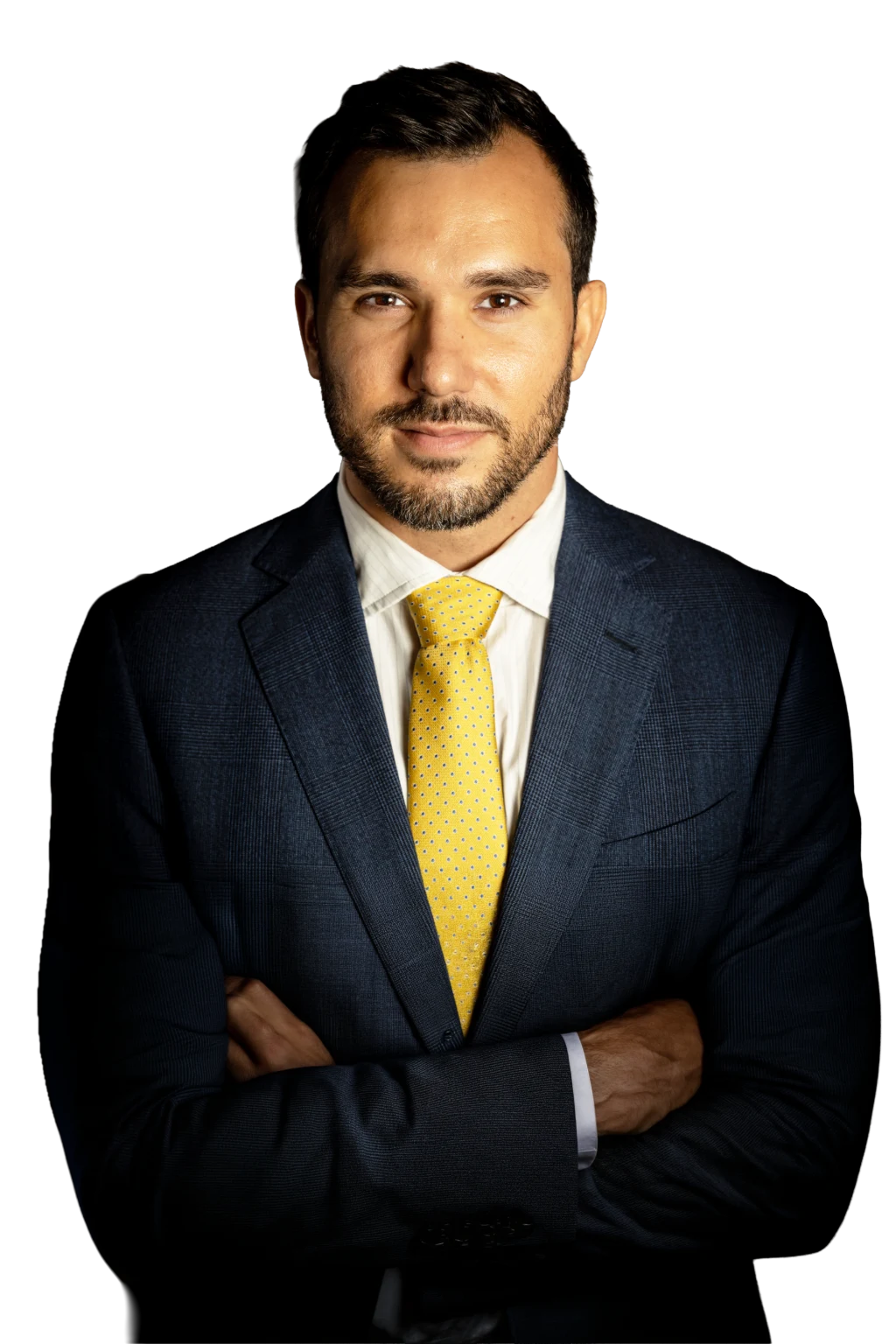
Tomas Robirosa
Tomas Robirosa, Esq.Founding Attorney
Florida Supreme Court Certified Circuit Civil Mediator
Tomas Robirosa, Miami personal injury lawyer

Your Attorney

Work Directly With Attorney Tomas Robirosa

Tomas Robirosa is the founding attorney of Robirosa Accident & Injury Law. He built his practice around careful preparation and personal attention: when you hire the firm, you talk to your lawyer, in English or Spanish, and you always know where your case stands.

He graduated cum laude from Nova Southeastern University’s Shepard Broad College of Law, is a Florida Supreme Court Certified Circuit Civil Mediator, and is admitted to practice in Florida state courts and the U.S. District Court for the Southern District of Florida.

  • Licensed in Florida
  • Bilingual: English & Spanish
  • Certified Circuit Civil Mediator
  • U.S. District Court, S.D. Florida
  • Free consultations
  • Contingency fee: no fee unless we recover

Recognition & memberships

Elite Lawyer Personal Injury 2026 badgeLawyers of Distinction 2026 badgeAIOTL 40 Under 40 2026 badgeFlorida Justice Association badgeThe Florida Bar Trial Lawyers Section logoAvvo Clients' Choice Award 2026 badge, Tomas RobirosaAvvo client reviews badge, Tomas Robirosa

What Our Clients Say

Real reviews from real clients on Google.

Posted on Google Google
Kk Ll profile picture
Kk Ll
Google star 1Google star 2Google star 3Google star 4Google star 5Trustindex verifies that the original source of the review is Google.
Great service would recommend helped tremendously
Posted on Google Google
Johanna Martinez profile picture
Johanna Martinez
Google star 1Google star 2Google star 3Google star 4Google star 5Trustindex verifies that the original source of the review is Google.
LA ATENCION FUE EXCELENTE Y MUY RAPIDA.
Posted on Google Google
Maša Nestorović profile picture
Maša Nestorović
Google star 1Google star 2Google star 3Google star 4Google star 5Trustindex verifies that the original source of the review is Google.
I’ve had an amazing experience working with Tomas. He is super knowledgeable and very personable. He helped us tremendously, highly recommend.
Posted on Google Google
Kathy Maria Alvarez profile picture
Kathy Maria Alvarez
Google star 1Google star 2Google star 3Google star 4Google star 5Trustindex verifies that the original source of the review is Google.
Tomás fue un excelente profesional.Me dejó muy tranquila porque me explicó todo en español, con total claridad y transparencia. Si tuviste un accidente en Miami Beach, no dudes en llamarlo.
Posted on Google Google
Cristina Gonzalez profile picture
Cristina Gonzalez
Google star 1Google star 2Google star 3Google star 4Google star 5Trustindex verifies that the original source of the review is Google.
The absolute best!! Responsive, honest, and easy to talk to. If you need an injury attorney in Miami Beach who also speaks Spanish, Tomas is the one to call. Highly recommend having him handle your case.
Posted on Google Google
Mario Espinosa profile picture
Mario Espinosa
Google star 1Google star 2Google star 3Google star 4Google star 5Trustindex verifies that the original source of the review is Google.
As a physical therapist, I’ve had the opportunity to work with Robirosa Accident & Injury Law while treating patients recovering from injuries. Their team has always been professional, responsive, and genuinely focused on making sure their clients receive the care they need. From a healthcare provider’s perspective, communication and coordination can make a huge difference in these cases, and their team does a great job staying involved without interfering with the clinical process. It’s clear they care about their clients as people, not just as cases. I would highly recommend Robirosa Accident & Injury Law to anyone looking for an injury attorney who is professional, accessible, and committed to helping their clients through the recovery process.
Posted on Google Google
Derek Nier profile picture
Derek Nier
Google star 1Google star 2Google star 3Google star 4Google star 5Trustindex verifies that the original source of the review is Google.
Tomas is an industry professional. He handles his cases with extreme care and provides excellent customer service alongside excellent communication. I would recommend him to anyone looking for a competent attorney in the Miami Beach area.
Posted on Google Google
Rosalia Rodriguez Aquino profile picture
Rosalia Rodriguez Aquino
Google star 1Google star 2Google star 3Google star 4Google star 5Trustindex verifies that the original source of the review is Google.
Es muy buen Abogado, confiable, transparente y muy humanitario. Estás siempre pendiente a todos y muy comunicativo. Me siento muy satisfactoria de su buen trabajo. Ojalá hayan muchos abogados como él. Que Dios lo bendiga Gracias, porque ganamos el caso
Posted on Google Google
Andrea Silva profile picture
Andrea Silva
Google star 1Google star 2Google star 3Google star 4Google star 5Trustindex verifies that the original source of the review is Google.
🌟🌟🌟🌟🌟 Wow- excelente experiencia con Tomás. Lo recomiendo al 100%. Cuando ningún otro abogado me apoyaba y sentía que el caso estaba perdido, me conectaron con él y ¡ganamos! El proceso fue claro, fluido y efectivo. Es muy profesional, sabe exactamente lo que hace y realmente le importa ayudar a sus clientes. Estoy muy agradecida por su apoyo y sin duda lo recomendaré a cualquier persona que necesite un abogado.
Posted on Google Google
Karim Badawy profile picture
Karim Badawy
Google star 1Google star 2Google star 3Google star 4Google star 5Trustindex verifies that the original source of the review is Google.
Thomas is a true professional! He is knowledgeable and will provide everything he knows for you! Highly recommend!

Talk to a Lawyer Today. It’s Free.

Tell us what happened. We’ll explain your options in English or Spanish, with no obligation.